

Health is not the absence of disease, but the presence of an equitable healthcare system. Contrary to what many health influencers will tell you, health isn’t simply a matter of individual choices. Instead, our health can be affected by the policies we are governed by, the environments we live in, and the systems that determine which choices are available to us. This often means we are left to carry the burden of inequity, while the systems responsible for it escape accountability.
For instance, research has shown that Black women are disproportionately impacted by chronic conditions, such as cardiovascular disease (CVD). Even though there is a temptation to attribute this to individual choices, we should not ignore how systemic inequities can contribute to CVD. What might be perceived as an unhealthy diet might result from limited access to fresh, nutritious foods. In addition, lack of exercise could be related to time constraints arising from long working hours and caretaking responsibilities. Although a well-balanced diet and regular exercise routine are commonly recommended as health-promoting behaviors, that doesn’t mean they’re easy.
This is where this year’s National Nutrition Month’s theme, Discovering the Power of Nutrition, takes on a deeper meaning. Nourishment is not just about what’s on your plate, but about what becomes possible when the systems are conspiring in your favor.
We Need Systems That Support Food Security
According to the USDA’s Economic Research Service, in 2024, 47.9 million people in the U.S. lived in food-insecure households. That is a startling number of adults and children who were unable to acquire enough food to meet their basic needs. As food insecurity can contribute to chronic conditions, it’s imperative that systems are in place to support people in need.
Why Food Access Is a Health Issue

March 11, 2026, marks six years since the World Health Organizaton declared COVID-19 a global pandemic. What wasn’t clear at the time was just how much access to food would shape our health outcomes in the years that followed.
As a nutrition coach, I encourage my clients to eat regular meals, which is only possible if they are food secure. When clients are food-secure, they’re better able to make nutrient-dense food choices. Even though that might feel like an awkward subject to broach, there are questions we can ask (i.e., what a typical meal looks like or if they’ve gone a day without eating) that can give us a better idea of whether they’re dealing with food insecurity. The point is that we want to make sure they know this isn’t about shaming them, but ensuring that the recommendations we’re providing are actually relevant to their unique situation.
We Need Systems That Honor Hunger and Fullness
Restrictive diets have been a significant contributing factor to disordered eating, which can adversely impact our health. A 2021 article in Eating & Weight Disorders found that eating intuitively can improve health while reducing disordered eating behaviors, such as binge eating. Given that disordered eating behaviors and eating disorders are becoming more prominent irrespective of race, ethnicity, or gender, it’s becoming even more important for systems that support our ability to honor our hunger and fullness.
How to Eat Intuitively When You’ve Spent Years Dieting

It’s October, which means it’s my birthday month and Health Literacy Month. This month, I’m truly passionate about ensuring people have the information they need to make informed decisions about their health. However, some health professionals mistakenly
Although there is some understandable criticism of Evelyn Tribole and Elyse Resch’s Intuitive Eating framework, there are significant benefits to learning to honor our hunger and fullness. When I’ve worked with clients who learn how to trust their hunger, I’ve found they stop second-guessing their food choices. They know that all foods are available to them, and they get to choose whether they want to eat them without judgment.
We Need Systems That Embrace Cultural Foods
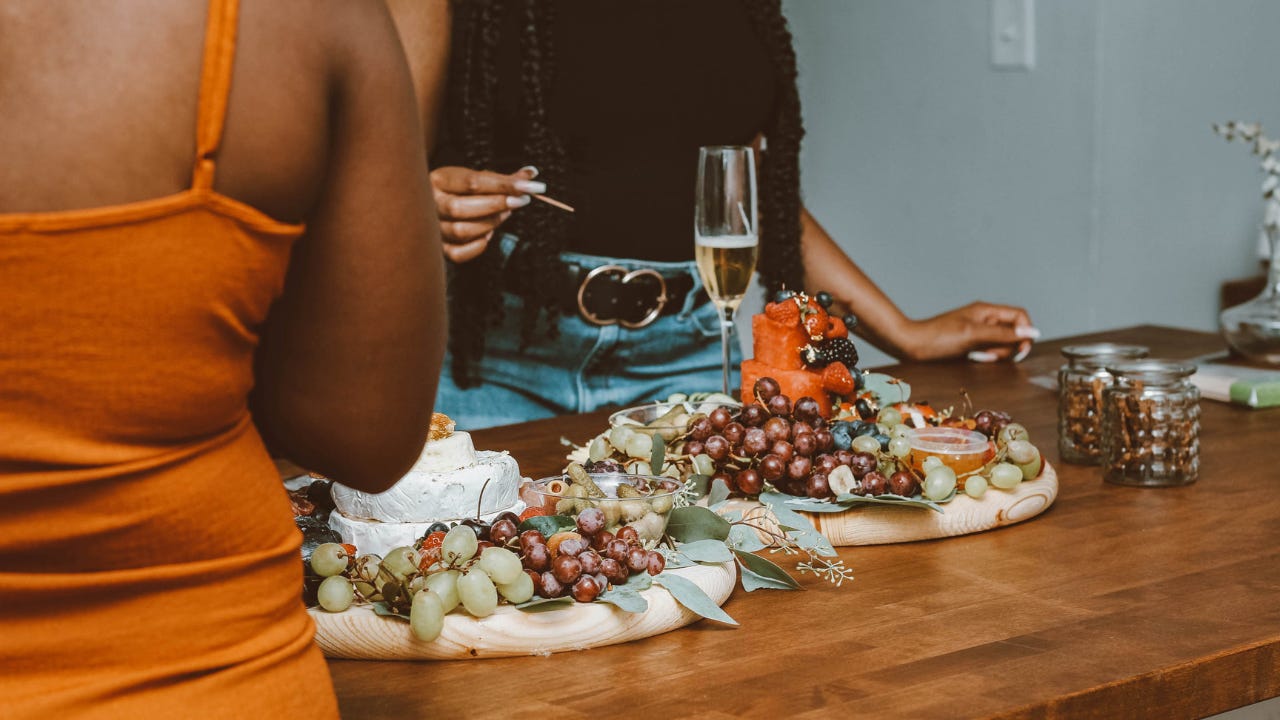
Culture can largely determine our beliefs and behaviors. A 2020 article in Clinical Liver Disease highlighted the importance of providing culturally aware nutritional education to patients. As food practices vary by culture, being aware of patients’ cultural foods can increase the likelihood that patients will follow through with a provider’s recommendations.
The Missing Ingredient in Most Meal Plans? Culture.

Many clients have had a love/hate relationship with meal planning, and I can completely understand why. Even though meal planning is often proposed as the path to healthy eating, it can feel like the whole point is to restrict you from eating the foods you love.
Whether it’s enchiladas or dumplings, people are going to be drawn to their cultural foods. Restricting our cultural foods only makes us crave them more, not less. This is primarily why it’s imperative that clinicians, dietitians, and physicians teach patients how their cultural foods can be a part of a nutrient-dense meal. By doing so, they can demonstrate how embracing their cultural foods supports health while building rapport with their patients.
We Need Systems and Care That is Equity-Centered
Because our healthcare system is slow to change, we need systems driven by equity-centered care. What I mean is that care that acknowledges the root cause of disparities can be driven by systemic racism, discrimination, and social inequities. That means we’re taking into account the fact that Black women and many marginalized populations face unique barriers to accessing care. Whereas equality focuses on sameness, equity recognizes real differences that should not be ignored.
That’s why I’m reopening my nutrition coaching practice to create a space where your lived experience, culture, and body are respected. Equity-centered nutrition coaching can help fill the gap by addressing what is often overlooked when supporting Black women and many marginalized populations. From providing my client Veronica with recipes using ingredients available on her own farm, to my client Sheena, whom I helped feel more comfortable making nutrient-dense choices when she was dining out, nutrition isn’t about choosing the healthiest option. It’s about making the most nourishing choice for you at that moment, whether that choice is from your kitchen or from the drive-through window.
For this round, I’m only taking 2-4 one-on-one clients, so I can give each person the time and attention that they need to achieve their fitness and nutrition goals. If you’re interested, send me a message or email me at hello@enhanceblackwomenshealth.com so we can explore what working would look like.
Until next week,
Tomesha