

They said everything was normal. My body disagreed. Even though my MRI came back ‘normal,’ my body had felt anything but that for eight months. If I’m going to be honest with you, physical therapy provided some temporary relief, but it didn’t erase the underlying fear that this situation actually might not get better.
When you’re struggling with symptoms from an injury or an undiagnosed condition, the last thing you want to hear is that nothing is wrong and your body will ‘heal’ on its own. That’s why supporting the health and well-being of women - especially Black women - must recognize that calling something ‘normal’ when it’s disrupting your life isn’t care. It’s dismissal.
My MRI results left me with actions to take (i.e., continue physical therapy and take Tylenol for pain relief), but it didn’t leave me with actual answers about why this pain was impacting my everyday life. Instead, I felt like I was getting stuck in a cycle of pain where I had more questions and no real answers.
However, pain from injuries isn’t the only thing we treat as normal.
Many women often believe that the extreme period pain they experience during their menstrual cycles is normal when that isn’t necessarily the case. I attended a screening of the documentary ‘Me Period’, which was followed by an engaging panel discussion that emphasized that when period pain keeps us from attending school, going to work, and living our everyday lives, that’s actually not normal. That pain can be an indication of an underlying health condition, such as endometriosis, that should be brought to the attention of our doctors. Sadly, most of us were never taught that. Instead, we were taught to push through.
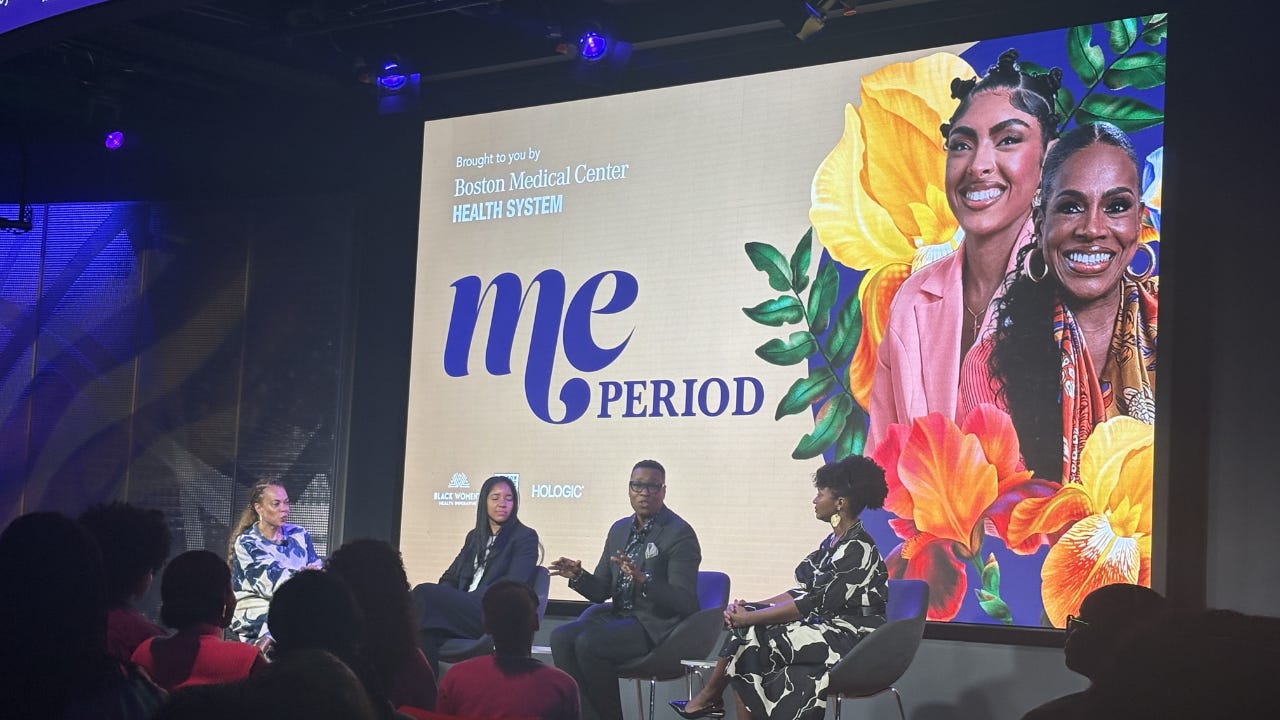
Whether we’re managing an injury or a chronic health condition, the health information we receive affects the treatment approach we take to address our symptoms. Unfortunately, we’re often given the wrong information. Wrong information can create a domino effect which contributes to further health disparities for women.
When we’re told a symptom is normal, we are less likely to question it, even if it's a flashing red flag that an underlying condition isn’t being addressed.
When we rely on incorrect information, we can end up treating the symptom rather than the underlying cause.
Treating the symptom with the wrong approach can make the situation worse rather than better.
That’s why the right information matters, because it informs the plan that we take to approach our health.
As a coach, I’ve seen people constantly jumping from plan to plan, trying to fix a problem with the wrong solution. For instance, if I simply ignored my knee pain instead of going to physical therapy, I’d likely (with likely meaning I would absolutely) have continued running 2-3 times per week, which would only make the pain worse. The problem is the knee pain, but the solution wasn’t simply ‘embrace the suck’ as I used to believe during my Marine Corps days. And that mindset won’t help you either.
You’re not struggling with a chronic condition, because you have a discipline problem. Struggle is what happens when we’re given plans that were never built with our bodies in mind.
And if you’re tired of guessing what your body needs, this is exactly the work I do with The No More Guesswork Method. When I work with clients, we don’t make assumptions about what’s normal; instead, we use data as evidence to make informed health choices.
That means not judging our food choices, but noticing how certain foods impact everything from our digestion to our mood.
By noticing what does and doesn’t work for our body, we can identify potential food, lifestyle, and environmental triggers that are impacting our health.
From that information, we can build a flexible, adaptable plan that supports our health without restricting us from living the life that we want.
You don’t have to keep living in that cycle of pain.
If you’re done guessing and ready to actually understand your body, DM me. We can chat about how I can help you take the guesswork out of your health.
Until next time,
Tomesha