

“We are not all in the same boat. We are in the same storm. Some of us are on superyachts. Some of us have just the one oar.” - Damian Barr
When I think about Barr’s quote, which made the rounds during the pandemic, I’m reminded of how much access shapes our health outcomes. What we have access to can affect everything from our risk of chronic disease to our mental well-being.
When nutritious food is hard to access, the issue is often called a food desert. But that term can make this problem sound natural, like it just happened on its own. What we’re really talking about is something intentional: food apartheid. From grocery stores that are miles away to fast food being the most affordable option, this isn’t simply a matter of personal choices. It’s a matter of systems.
Food apartheid is a term coined by Karen Washington, a food justice advocate and activist, to describe the inequities in our food system that are shaped by social class and geography. In many wealthy neighborhoods, people may have access to organic produce, grass-fed meats, and wild-caught seafood. They may spend weekends eating at farm-to-table restaurants that prioritize the freshest ingredients.
In many low-income neighborhoods, the picture looks very different. Grocery stores may carry fewer fresh options, and some of the food available may be close to expiring. That makes fast food the most likely and affordable choice. That difference is not small, but it shapes the foods people consistently eat, and, in turn, their health.
I’m not shaming either side. I’ve lived in a wealthy neighborhood where I could buy everything certified organic. I’ve also lived in low-income neighborhoods where I had to look through the flyer to see what was on sale that week. I made do in both situations, but I also don’t want to ignore the reality that where I lived affected the quality of food I could access.
And it’s not just grocery stores. It’s farmers’ markets, too.
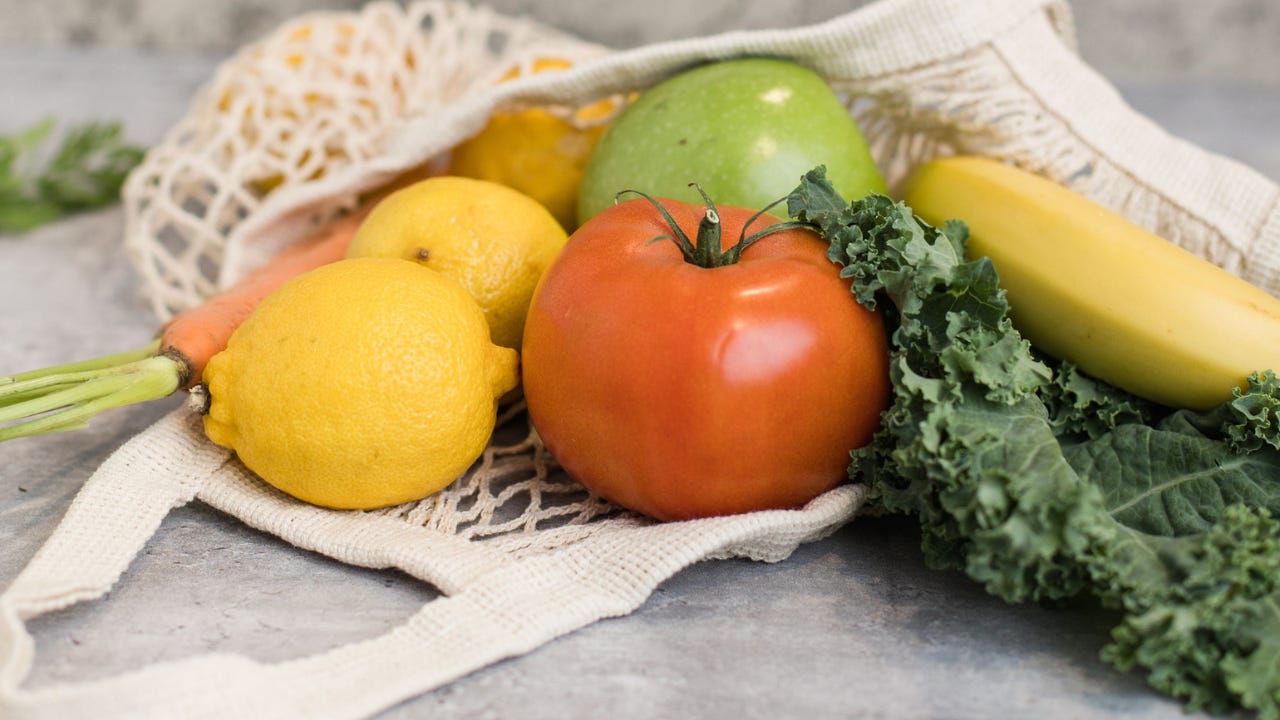
I didn’t really begin to appreciate farmers’ markets until I moved to Massachusetts. They allow you to support local agriculture while getting access to fresh, in-season produce. But even farmers’ markets can come with barriers. They’re often open during working hours. They’re not always located in the neighborhoods where people live and work. And they aren’t always easy to reach by public transportation, which means a car is often necessary. In some cases, they’re also held in community spaces that aren’t designed to comfortably accommodate mobility equipment when crowds are large.
None of these barriers exists in every situation, but they do reveal something important: our food systems are not designed equally. Sometimes that’s not about intentional harm. Sometimes it’s about unintentional design. But unintentional design still creates real harm.
When food systems are designed without access in mind, they can contribute to nutritional deficiencies, poor mental health, and chronic disease. That makes it harder to stay healthy, not because people don’t care, but because the system is making basic care harder to sustain.
Nutrition isn’t just about making “better” food choices. It’s about whether nutritious foods are regularly accessible in the first place. Food apartheid can limit variety, and when variety is limited, it becomes harder to consistently get the vitamins and minerals the body needs. This is more than counting macronutrients. It’s about whether people can actually access the foods that help them thrive.
And the impact doesn’t stop at the body.
Nutrient intake affects brain function, which can influence concentration, mood, and depression. When people are not getting the nutrients they need, it can become harder to regulate emotions and maintain healthy behaviors. So when access is limited, mental health often feels that impact too.
The same food systems that are supposed to support our well-being can end up making us more vulnerable to chronic disease. When fast food is more accessible than fresh food, it should not surprise us that chronic disease becomes more common. For that reason, food apartheid affects what people can eat, how they feel, and how their health can change over time.
Despite the real challenges posed by inequitable food systems in the U.S., there are still resources available to help people in need. Whether you’re navigating this yourself or supporting patients, clients, or community members, here are a few places to start.
Find a local food bank or pantry through Feeding America.
If you’re 60+ or living with a disability, apply for Meals on Wheels.
Call 211 for help finding local food pantries, soup kitchens, and SNAP support.
Join or start a community garden where residents can grow produce together.
Search the CSA directory to find farmers who offer shares of locally grown food.
This is not an exhaustive list, and it is U.S.-based. Still, I hope it encourages you to think about what this looks like in your own community. The specific resources may vary by location, so it’s often best to reach out to your local community to see what’s available.
More importantly, if you know of resources that would support the community, share them in the comments. The more we support each other, the better it will be for all of us, no matter where we live.
Until next week,
Tomesha
yes yes yes