

Recently, I was reminded, yet again, that feeling ‘safe’ doesn’t always mean ‘comfortable.’ That comfort isn’t going to be achieved by fences and locks, but through dignity and visibility. Case in point, during a monthly Roundtable discussion, a community member shared a recent incident that made her feel uncomfortable in her neighborhood. Her experience reminded me of a time when a man on a motorcycle drove by and stared me down as he passed. He didn’t speak a word, but his face said it all. That experience made me question whether I was truly safe.
Even though psychological safety is often a term we hear about in our work environments, those of us who have transitioned to more remote work post-2020 are spending more time at home. For this reason, creating environments where we feel welcomed, respected, and able to show up as our authentic selves matters. Not only is it important for our safety and comfort, but also for our sense of belonging.
Why Belonging Matters Just as Much as Safety
What does belonging mean to you? For me, it’s knowing that you are truly welcomed in the spaces where you live and work, because they intentionally make room for you. We all know the difference between someone making space for you and someone pretending as if you’re invisible. It’s the neighbor coming toward you on the sidewalk who shifts their body ever so slightly to ensure that there is space for you to come by. It’s also the coworker on your first day who invites you to join them for lunch. This might seem subtle, but the result is a deeper sense of belonging.
However, belonging is not solely about the individual; it is part of a much broader system. For instance, the sidewalks in the neighborhood might not be wide enough to comfortably fit all bodies and abilities. That could be detrimental to a sense of belonging for those in larger bodies or who use scooters to navigate spaces that weren’t designed with them in mind.
Let me be clear: this is not about convenience but about accessibility. When spaces aren’t built with us in mind, it limits our movement and social connections. Being unable to freely move around our neighborhoods can affect our cardiovascular health. As cardiovascular disease is the leading cause of death for Black women in the U.S., environments that limit cardiovascular exercise are extremely detrimental.
That is a reality that I don’t want to sugarcoat. Creating neighborhoods and built environments where we feel like we belong means acknowledging that the ones that currently exist often leave us feeling like we don’t.
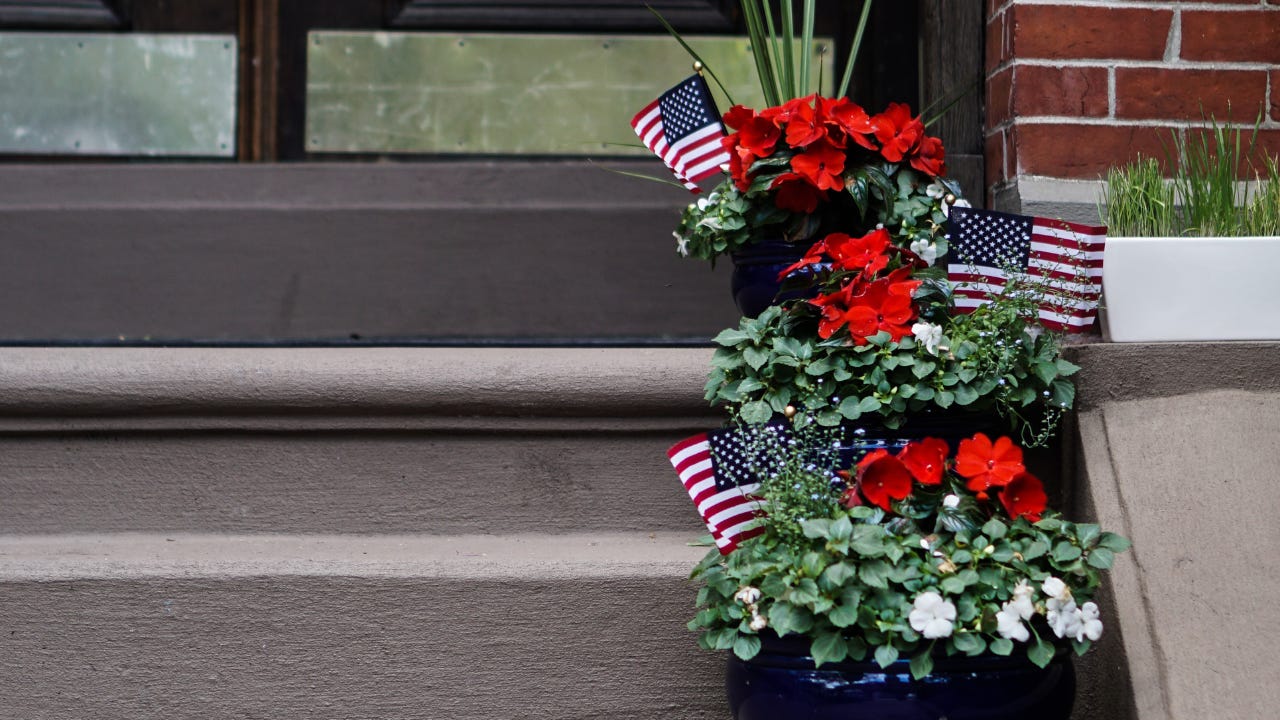
However, there are some places that absolutely do ‘get it right’ when it comes to creating an environment of belonging. During my post-graduate school time, I had the opportunity to work at an organization where my coworkers truly understood the assignment.
We were purposeful about welcoming new members to our teams. From giving them a tour around the office to meet other staff members, to welcome lunches, we ensured that the person felt truly a part of the team. This wasn’t something our superiors told us to do; we took the initiative.
We showed respect by showing up for one another. Whether it was helping write cards to our donors or covering someone’s executive when they were out, we unapologetically showed up for one another. It not only helped the work get done faster, but also showed that person they didn’t have to carry the load alone.
We brought our authentic selves to the table. Over time, we built deeper relationships with one another because we realized we didn’t have to wear a mask at work. We could truly be ourselves because we gave others permission to hold us accountable when we messed up.
I wish I could say that this was the norm, but the truth is it isn’t.
The experiences I’ve had in other workplaces have illustrated that there is an assumption that belonging will just happen. Instead, belonging needs to be baked into the workplace culture and policies. I don’t mean something that is rolled out in the annual training. Rather, it becomes what we live and breathe. It’s my belief that when we do, we will create an environment of belonging at work that extends to the neighborhoods where we live.
Below the paywall, I’m sharing what this actually looks like in practice. You’ll find specific ways to apply this to create a sense of belonging at work and home.
This is part of The Roundtable, where we move beyond reflection into action through weekly letters, monthly live discussions, and private community threads.
